Duty free trading hub for MNCs
Free Trade Warehousing Zone (FTWZ)
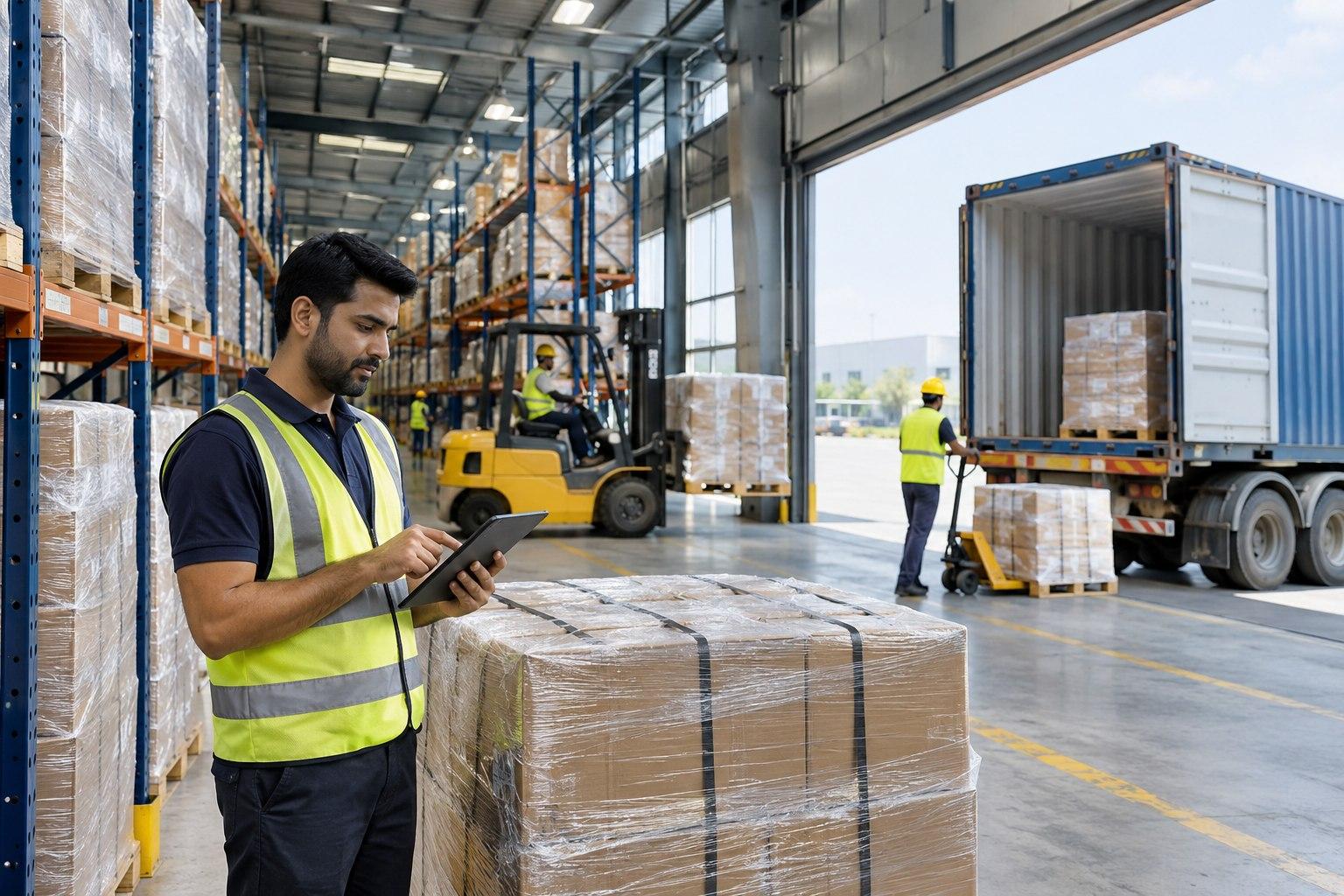
A Free Trade Warehousing Zone is designed mainly for trading and warehousing of goods. This allows businesses to delay or avoid duty, improving cash flow and flexibility.
On this page
What an FTWZ is
A Free Trade Warehousing Zone (FTWZ) is a special category of Special Economic Zone focused on warehousing, trading, logistics, and re-export activities. FTWZs are treated as foreign territory for customs purposes, allowing goods to be imported, stored, processed, and re-exported with major duty and tax advantages.
FTWZ is a duty-free logistics and warehousing zone that facilitates international trade, storage, and re-export operations in India.
How PORTMATRIX helps
PORTMATRIX supports FTWZ registration.
Key features of an FTWZ
Duty-free storage of imported goods
Customs duty paid only when goods enter the Indian market (DTA)
Re-export without customs duty
Difference between SEZ and FTWZ
| SEZ | FTWZ |
|---|---|
| Manufacturing & services focus | Warehousing & Trading Focus |
| Export production | Import / Export Storage & Distribution |
| Industrial Operations | Logistics & Supply Chain Operations |
| Broader Economic Zone | Specialized Logistics Zone |
Value-added services allowed
- Labeling / relabeling
- Repacking / packaging & repackaging
- Kitting / assembly of kits
- Assembly
- Palletization
Other features
- Faster customs clearance
- Foreign currency transactions permitted
- Treated as foreign territory under customs law
Activities allowed in an FTWZ
- Warehousing
- Trading
- Re-export
- Quality inspection
- Refrigerated storage
- Inventory management
How the FTWZ process works
Foreign Supplier
Import into FTWZ with the guidance of PORTMATRIX
Duty-free Storage
Value Addition / Packaging / Labeling
Then, goods go one of two ways:
- Re-export → No duty
- Sale in India → Duty paid only at clearance
Benefits of an FTWZ
For importers
- Deferred customs duty
- Reduced working capital blockage
- Faster supply chain movement
- Lower port demurrage costs
For exporters
- Re-export without import duty (Merchant Trade Transactions-MTT)
- Export benefits available
- Long-term storage flexibility
For global traders
- No permanent establishment required in some cases
- Foreign suppliers can store inventory in India
- Multiple ownership transfers allowed within FTWZ
FTWZ legal framework in India
FTWZs are governed under:
- Ministry of Commerce and Industry
- Special Economic Zones Act 2005
- SEZ Rules 2006
- Foreign Trade Policy (FTP)
Frequently asked questions
- What is a Free Trade Warehousing Zone and how does it differ from an SEZ?
- An FTWZ is a special category of Special Economic Zone focused on warehousing, trading, logistics and re-export. An SEZ has a manufacturing and services focus, while an FTWZ has a warehousing and trading focus.
- When is customs duty paid in an FTWZ?
- Imported goods can be stored duty-free, and customs duty is paid only when goods enter the Indian market (DTA). Goods that are re-exported attract no duty.
- Which value-added services are allowed?
- Labeling, repacking, kitting, assembly and palletization.
- Where is a major FTWZ in Tamil Nadu?
- The source names J Matadee FTWZ at Sriperumbudur, Tamil Nadu.